A Parent’s Guide to Choosing the Right Kids Eye Care Supplement in the Digital Age
If you are raising children in today's screen-filled world, chances are you have wondered whether a kids eye care supplement can help support their visual health. Between online classes, educational apps, gaming, television, and smartphones, children's eyes are working harder than ever before. While technology offers many benefits, it has also increased concerns among parents about eye strain, visual comfort, and long-term eye wellness.
The good news is that eye health is influenced by several factors, including nutrition, outdoor activity, proper sleep, and healthy screen habits. For many families, nutritional support can become an important part of a well-rounded approach to children's wellness. Understanding what to look for in an eye supplement can help you make an informed choice that fits your child's needs.
In this guide, you'll learn how children's eyes develop, what nutrients matter most, how to evaluate supplement labels, and how to choose a product you can feel confident about. We'll also discuss common questions from parents, including concerns about picky eaters and supplement safety.
Why Eye Health Matters More Than Ever
Children today spend significantly more time looking at digital screens than previous generations. Whether they are attending virtual lessons, completing homework online, watching videos, or chatting with friends, screens have become a regular part of daily life.
Extended screen use may contribute to:
Eye fatigue
Dry or irritated eyes
Temporary blurred vision
Reduced blinking
Difficulty focusing after long periods of screen time
General visual discomfort
While screens themselves are not necessarily harmful when used appropriately, they place new demands on developing eyes. That is why many parents are becoming more proactive about supporting visual wellness through healthy lifestyle habits and balanced nutrition.
A quality kids eye care supplement may complement these healthy habits by providing nutrients that support normal eye function and development.
Understanding How Children's Eyes Develop
Children's eyes continue developing throughout childhood. During these years, proper nutrition plays an important role in supporting normal growth and function.
The retina, lens, optic nerve, and surrounding tissues all require specific nutrients to function effectively. Since children are still growing, maintaining adequate nutrient intake becomes especially important.
Unfortunately, many children do not consistently eat a varied diet rich in vegetables, fruits, healthy fats, and nutrient-dense foods. This challenge is even more common among picky eaters.
Parents often find themselves asking questions like:
Is my child getting enough nutrients from food?
What if my child refuses green vegetables?
Are supplements worth considering?
Which ingredients should I prioritize?
Understanding the science behind eye-supportive nutrients can help answer these concerns.
Key Nutrients to Look for in Kids Eye Care Supplements
1. Lutein
Lutein is one of the most researched nutrients for eye health. It is naturally found in leafy green vegetables and certain colorful fruits.
Lutein is present in the macula, a part of the eye associated with detailed vision. Since many children consume limited amounts of vegetables, lutein supplementation has become increasingly popular among parents looking to support overall eye wellness.
Benefits commonly associated with lutein include:
Supporting normal visual function
Helping maintain healthy eye tissues
Providing antioxidant support
Supporting overall eye wellness in growing children
2. Zeaxanthin
Zeaxanthin often works alongside lutein. Together, they are naturally concentrated in the eye and help support healthy visual structures.
Many eye care supplements combine lutein and zeaxanthin because they complement one another.
3. Vitamin A
Vitamin A has long been recognized as an essential nutrient for normal vision.
It contributes to:
Normal visual function
Eye surface health
Healthy development during childhood
Children who have limited dietary variety may not consistently consume enough vitamin A-rich foods.
4. Zinc
Zinc plays a role in many biological processes throughout the body, including normal immune function and nutrient metabolism.
While zinc is not exclusively an eye-health nutrient, it contributes to overall wellness and helps support normal physiological functions important during childhood.
For families seeking additional nutritional support, products such as a zinc mouth spray can offer a convenient option for children who dislike traditional tablets or capsules.
5. Omega-3 Fatty Acids
Omega-3 fatty acids are widely recognized for supporting brain and eye development.
These healthy fats are found in:
Fatty fish
Certain seeds
Fortified foods
Specialized supplements
Because many children consume limited amounts of fish, omega-3 supplements have become increasingly popular among parents.
Why Picky Eaters May Need Extra Nutritional Support
If you have a picky eater at home, you are certainly not alone.
Many children go through phases where they avoid:
Green vegetables
Fish
Colorful fruits
Nutrient-rich foods
Unfortunately, many of the foods children reject are the same foods that contain nutrients associated with healthy eye development.
A picky eater may regularly miss out on:
Lutein
Zeaxanthin
Omega-3 fatty acids
Vitamin A
Various antioxidants
While supplements should never replace a balanced diet, they may help bridge nutritional gaps when dietary variety is limited.
Parents often find that gummy formats improve compliance because children are generally more willing to take them consistently.
Read More - Gumazing Multivitamin + Probiotics Gummies
What Makes a High-Quality Kids Eye Care Supplement?
Not all supplements are created equally.
When evaluating products, consider the following factors.
Evidence-Based Ingredients
Look for formulas that contain well-known nutrients supported by scientific research.
These commonly include:
Lutein
Zeaxanthin
Vitamin A
Zinc
Other antioxidant nutrients
Child-Friendly Format
Consistency matters.
Even the best formula won't help if your child refuses to take it.
Consider:
Gummies
Chewables
Sprays
Easy-to-consume formats
Transparent Labeling
Trustworthy brands clearly disclose:
Ingredient amounts
Serving sizes
Manufacturing information
Quality standards
Reputable Manufacturing
Products manufactured under strict quality standards provide greater confidence for parents.
Brands that prioritize safety testing and quality control help support trust and reliability.
Age-Appropriate Formulation
Children have different nutritional needs than adults.
Choose products specifically designed for children rather than simply reducing the serving size of adult supplements.
The Connection Between Eye Health and Overall Wellness
Eye health does not exist in isolation.
Healthy vision is supported by overall wellness habits including:
Adequate Sleep
Children need sufficient sleep to support recovery, growth, and visual comfort.
Outdoor Time
Research has suggested that spending time outdoors may support healthy visual development in children.
Encourage:
Outdoor play
Sports
Walks
Nature activities
Balanced Nutrition
Focus on foods such as:
Leafy greens
Eggs
Colorful fruits
Fish
Nuts and seeds
Whole grains
Hydration
Proper hydration supports overall health and may help maintain comfort during screen use.
Building a Complete Wellness Routine for Your Child
Many parents discover that eye health works best as part of a broader wellness strategy.
For example, immune support often becomes a priority during school months when children are exposed to seasonal challenges.
Nutritional options such as elderberry gummies for kids are frequently chosen by families looking to support everyday wellness routines alongside healthy nutrition and active lifestyles.
Similarly, maintaining consistent nutrient intake throughout the year can help create healthy habits that support growing children.
How Gumazing Supports Modern Families
Parents today often want products that are:
Easy to use
Kid-friendly
Transparent
Made with quality ingredients
Gumazing has developed children's nutritional products with these priorities in mind.
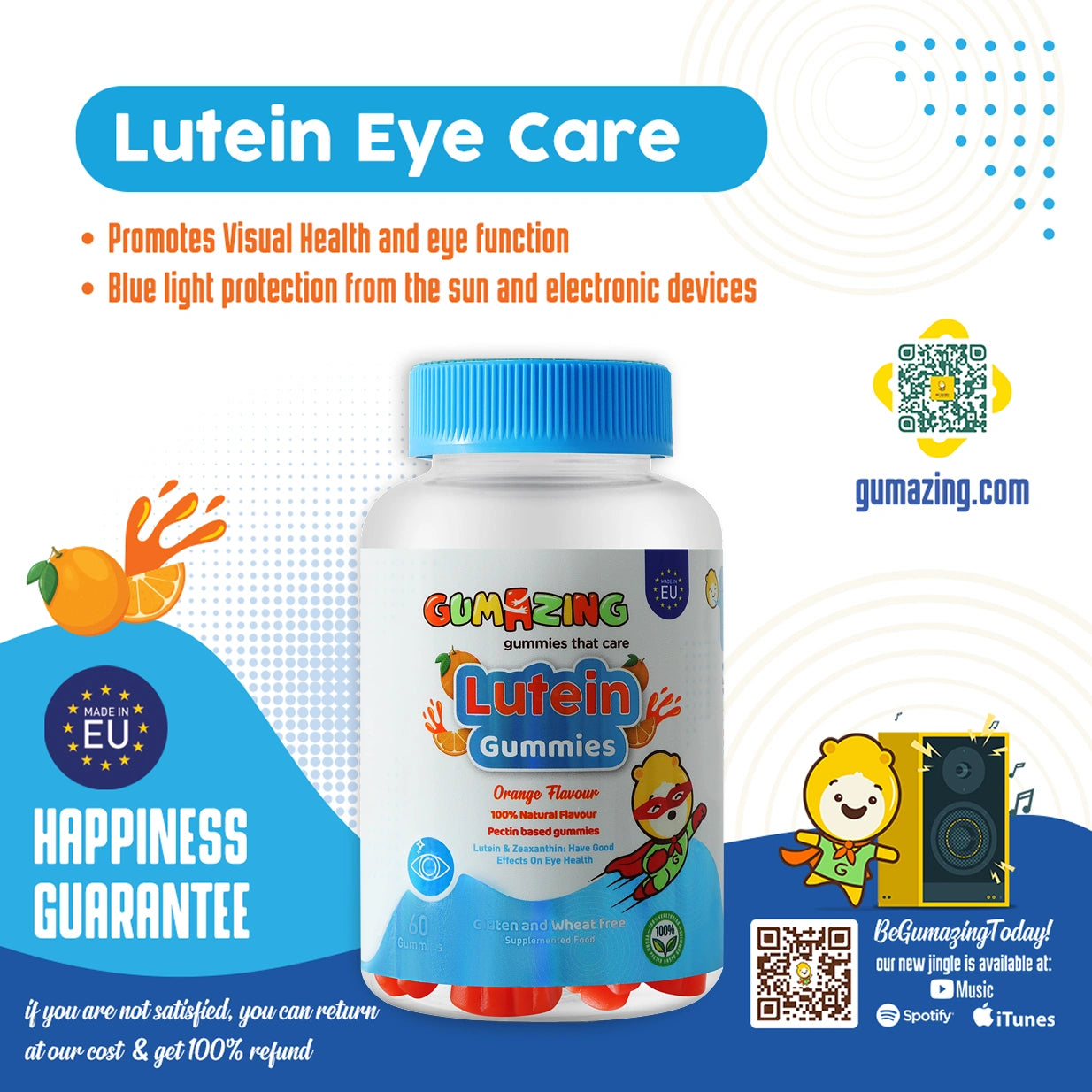
Its eye care formula focuses on nutrients commonly associated with visual wellness, helping parents provide targeted support as part of a balanced lifestyle.
The company also offers additional wellness-focused options that fit naturally into daily family routines.
Importantly, supplements work best when combined with:
Healthy meals
Outdoor activity
Adequate sleep
Responsible screen habits
No supplement can replace these foundations.
Supporting Eye Health Alongside Immune Health
Parents often prefer a comprehensive wellness approach rather than focusing on a single area.
Nutrition that supports overall wellness may include vitamins and minerals involved in normal immune function.
For example, zinc vitamin c gummies are popular among families seeking convenient ways to include important nutrients as part of daily wellness habits.
A balanced routine that addresses multiple aspects of health can often be easier to maintain consistently over time.
Tips for Reducing Digital Eye Strain in Children
Even with good nutrition, healthy screen habits remain important.
Try these practical strategies:
Encourage Regular Breaks
The 20-20-20 approach can be helpful:
Every 20 minutes, encourage your child to look at something approximately 20 feet away for 20 seconds.
Maintain Proper Viewing Distance
Keep screens at a comfortable distance rather than directly in front of the face.
Improve Lighting
Avoid using screens in very dark environments.
Promote Blinking
Children often blink less frequently while using screens.
Gentle reminders can help maintain comfort.
Limit Recreational Screen Time
Whenever possible, balance screen activities with:
Reading
Outdoor play
Creative hobbies
Physical activity
Don't Forget Brain and Eye Development
The eyes and brain work closely together.
Visual information must be processed efficiently for children to learn, read, and interact with their environment.
Omega-3 fatty acids are often discussed because of their role in supporting both eye and brain development during childhood.
Many families choose kids omega 3 gummies when looking for convenient ways to include these important nutrients in a child's routine.
Combined with healthy eating habits, omega-3 intake can become part of a broader developmental support strategy.
Is It Safe?
Safety is one of the most common concerns parents have when considering supplements.
In general:
Choose products designed specifically for children.
Follow age recommendations and serving instructions.
Store supplements out of reach of young children.
Review ingredient lists carefully.
Consult your pediatrician if your child has medical conditions, allergies, or is taking medications.
When used according to label directions, quality children's supplements can be a convenient way to complement a healthy lifestyle.
Remember that supplements are intended to supplement the diet, not replace nutritious foods.
Read More - How Lutein Gummies Protect Kids’ Eyes From Too Much Screen Time
Conclusion
Raising children in the digital age comes with unique challenges. Screens are now a regular part of education, entertainment, and social interaction, making eye wellness an increasingly important concern for parents.
Choosing the right supplement starts with understanding the nutrients that support healthy visual development. Ingredients such as lutein, zeaxanthin, vitamin A, zinc, and omega-3 fatty acids are among the most commonly discussed nutrients in eye health research.
If your child is a picky eater or struggles to consume a wide variety of nutrient-rich foods, a thoughtfully formulated supplement may help support nutritional intake as part of a balanced lifestyle.
Most importantly, remember that eye health is influenced by multiple factors. Healthy meals, outdoor activity, proper sleep, hydration, regular eye exams, and responsible screen habits all work together to support your child's visual wellness.
By taking a proactive and informed approach, you can help your child build healthy habits that support not only their eyes but their overall growth and development for years to come.
Frequently Asked Questions
What is the best age to start a kids eye care supplement?
This depends on the specific product and your child's nutritional needs. Always follow the manufacturer's age recommendations and consult your healthcare professional if unsure.
Can supplements improve eyesight?
Supplements are not intended to treat or cure vision problems. They are designed to provide nutritional support that contributes to normal eye health as part of an overall healthy lifestyle.
My child is a picky eater. Can supplements help?
Many parents use supplements to help address nutritional gaps that may occur when children consistently avoid certain foods. Supplements should complement, not replace, a balanced diet.
Are gummies as effective as tablets?
When formulated appropriately and taken consistently, gummies can provide nutrients effectively while often being easier for children to consume.
How long does it take to see benefits?
Nutritional support is typically part of a long-term wellness approach. Consistency, diet quality, lifestyle habits, and individual factors all influence outcomes.
Should children still eat vegetables if they take supplements?
Absolutely. Whole foods provide a wide range of nutrients, fiber, and beneficial compounds that supplements cannot fully replicate.


Comments
Post a Comment