What Parents Should Know About Nutrients That Support Children's Eye Health
As a parent, you probably spend a lot of time thinking about your child's overall well-being. From healthy meals and quality sleep to physical activity and school performance, every part of your child's development matters. One area that has gained increasing attention in recent years is eye health, especially as children spend more time using digital devices for learning, entertainment, and communication.
Modern childhood looks very different from what it did even a decade ago. Screens are now part of daily life, and many parents are becoming more aware of how healthy habits and proper nutrition can help support growing eyes. This growing awareness has led many families to learn more about nutrients commonly associated with visual wellness and supportive products such as eye care gummies for kids.
However, eye health is about much more than a single supplement or nutrient. It involves a combination of balanced nutrition, healthy lifestyle habits, regular eye examinations, outdoor activity, and proper screen management.
In this guide, you'll learn about some of the key nutrients often discussed in relation to children's eye health, how healthy habits contribute to visual wellness, and what parents should consider when building a balanced wellness routine for their children.
Why Children's Eye Health Matters More Than Ever
Children today are growing up in a highly digital environment.
Many kids spend several hours each day using:
Tablets
Smartphones
Computers
Gaming consoles
Educational apps
Television screens
While technology offers many educational opportunities, it also means children are spending more time focusing on nearby objects than previous generations.
Parents often notice signs such as:
Frequent eye rubbing
Tired-looking eyes
Complaints of eye discomfort
Difficulty focusing after screen use
Holding devices very close
Increased sensitivity to light
These observations have encouraged many families to become more proactive about supporting healthy vision habits from an early age.
Read More - Gumazing Elderberry Gummies
The Role of Nutrition in Eye Health
Nutrition plays an important role in supporting overall growth and development, including eye health.
A well-balanced diet helps provide nutrients that support normal body functions, including those related to vision and eye wellness.
While no single nutrient works alone, several vitamins and minerals are frequently discussed when it comes to supporting healthy eyes.
Let's explore some of them.
Vitamin A and Eye Wellness
Vitamin A is one of the most recognized nutrients associated with maintaining normal vision.
It is naturally found in foods such as:
Carrots
Sweet potatoes
Spinach
Kale
Eggs
Dairy products
Vitamin A helps support various functions within the body and has long been associated with healthy vision.
Parents can encourage vitamin A intake by including colorful vegetables and nutrient-rich foods in their child's meals.
Lutein and Zeaxanthin
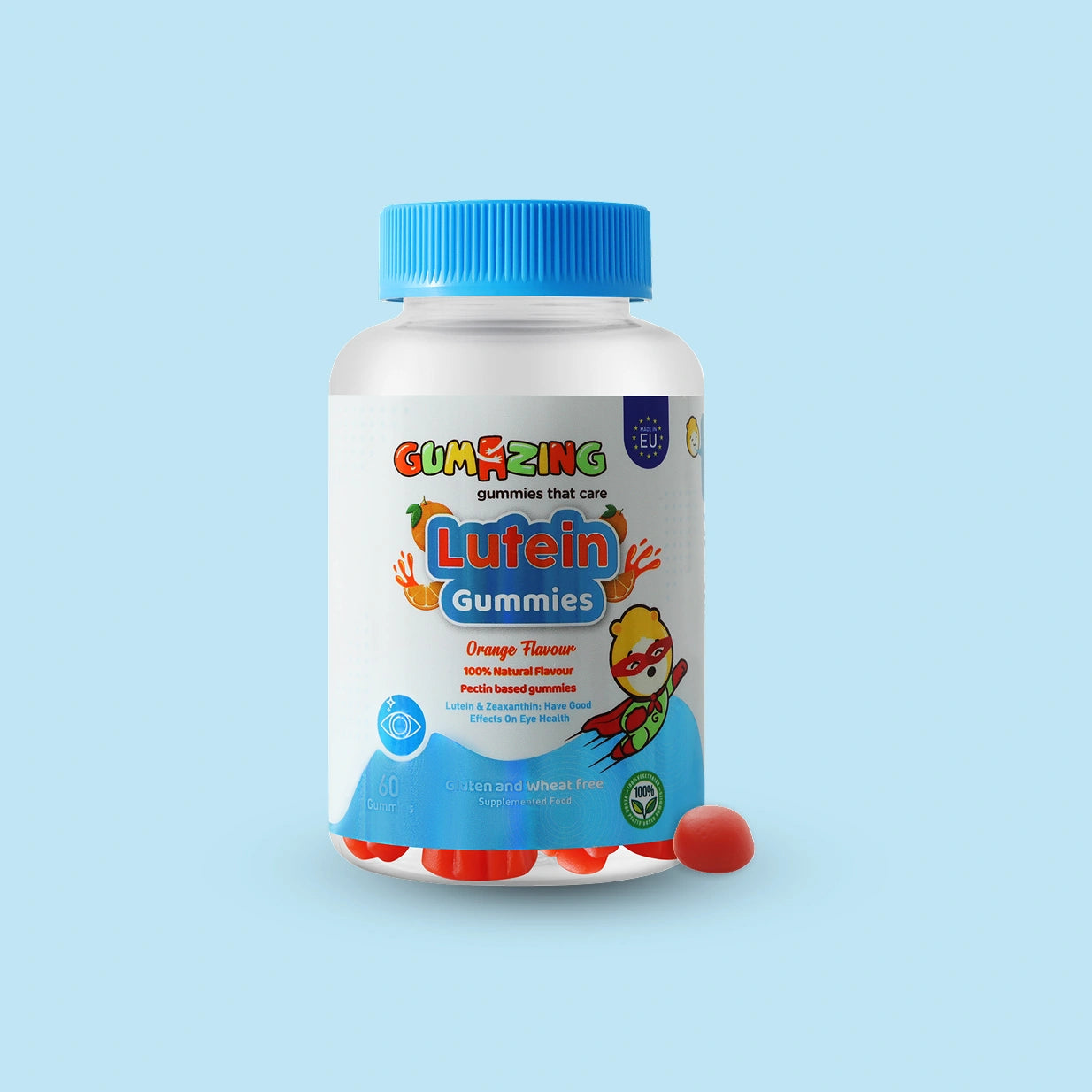
Lutein and zeaxanthin are naturally occurring carotenoids found in many fruits and vegetables.
Sources include:
Kale
Corn
Green peas
Broccoli
Spinach
Orange peppers
These nutrients are commonly discussed in relation to eye wellness and have become increasingly popular among parents looking to support healthy visual habits.
The challenge is that many children do not consistently eat enough vegetables to provide a wide range of nutrients every day.
That is one reason some families choose supportive nutritional products alongside balanced meals.
Vitamin C and Children's Wellness
Vitamin C is another important nutrient commonly included in discussions about children's nutrition.
Foods rich in vitamin C include:
Oranges
Strawberries
Kiwi
Bell peppers
Tomatoes
Broccoli
Vitamin C is widely known for its role in supporting overall wellness and helping protect cells from oxidative stress.
Because children's eating habits can be unpredictable, parents often focus on creating routines that encourage a variety of fruits and vegetables throughout the week.
Why Zinc Is Often Included in Children's Nutrition Discussions
Zinc is an essential mineral involved in many normal body functions.
Foods that naturally contain zinc include:
Meat
Dairy products
Beans
Nuts
Whole grains
For some families, supportive products such as a zinc mouth spray may also be considered as part of broader wellness routines, particularly when parents are focused on maintaining balanced nutritional support.
As with all nutritional products, zinc is generally most effective when used alongside a healthy diet and active lifestyle.
Nutrition Alone Is Not Enough
While nutrients are important, healthy eye support involves much more than food and supplements.
Parents who prioritize eye wellness often focus on several daily habits, including:
Outdoor play
Healthy sleep routines
Proper hydration
Screen breaks
Regular eye exams
Balanced nutrition
These habits work together to support children's overall well-being.
Why Outdoor Activity Is Important
One of the simplest ways to support healthy visual habits is encouraging outdoor play.
Outdoor activities allow children to:
Focus on distant objects
Move their bodies
Spend less time staring at screens
Experience natural daylight
Activities like cycling, running, sports, playground visits, and family walks all contribute to healthier daily balance.
Many eye care professionals encourage regular outdoor activity as part of a healthy childhood lifestyle.
Helping Children Build Better Screen Habits
Since screens are now a normal part of life, the goal is usually balance rather than complete avoidance.
Some healthy screen habits include:
Following the 20-20-20 Rule
Every 20 minutes, encourage your child to look at something 20 feet away for at least 20 seconds.
Maintaining Proper Posture
Devices should be positioned comfortably at an appropriate viewing distance.
Using Good Lighting
Children should avoid using screens in completely dark rooms.
Taking Frequent Breaks
Short breaks can help reduce prolonged near-focus tasks.
These simple habits can become part of everyday routines without creating unnecessary restrictions.
Understanding Parents' Concerns About Supplements
Many parents naturally ask questions before adding any wellness product to their child's routine.
One of the most common questions is: are gummy vitamins safe for kids?
Parents often want reassurance about:
Ingredient quality
Age-appropriate formulations
Manufacturing standards
Proper serving recommendations
The best approach is to choose products designed specifically for children and follow recommended usage guidelines while consulting healthcare professionals when needed.
Being informed helps parents make confident decisions about their child's wellness routine.
How to Encourage Eye-Friendly Foods Without Struggles
Many children go through phases of selective eating.
Instead of forcing foods, parents can try:
Making meals colorful
Offering vegetables repeatedly without pressure
Involving children in grocery shopping
Preparing meals together
Creating fun snack options
Children are often more willing to try foods when they feel involved in the process.
Small improvements over time are often more effective than trying to change eating habits overnight.
What Parents Look for in Children's Wellness Products
Parents today are more informed than ever.
Before choosing wellness products, many families consider factors such as:
Transparency
Clear ingredient information helps parents understand what they are providing.
Quality Standards
Reliable manufacturing practices build confidence.
Child-Friendly Formats
Children are more likely to stay consistent with products they enjoy taking.
Brand Trust
Many parents research companies before making purchasing decisions.
When researching products, families often compare information from some of the best kids supplement brands to better understand product quality, manufacturing practices, and nutritional offerings.
Trust and consistency remain key factors in decision-making.
Creating a Balanced Wellness Routine
The most effective approach to supporting children's eye health usually involves a combination of habits rather than a single solution.
A balanced routine may include:
Healthy Nutrition
Focus on colorful fruits, vegetables, proteins, and whole foods.
Daily Movement
Encourage active play and outdoor activities.
Screen Management
Promote regular breaks and balanced device use.
Quality Sleep
Support consistent sleep schedules.
Hydration
Ensure children drink enough water throughout the day.
Regular Eye Checkups
Professional evaluations help monitor healthy visual development.
When combined, these habits create a strong foundation for overall wellness.
Why Consistency Matters More Than Perfection
One of the biggest misconceptions about health is the idea that everything must be perfect.
Real life rarely works that way.
Some days your child will eat vegetables willingly. Other days they may refuse them entirely.
Some days involve more screen time than planned.
Some nights bedtime routines go off schedule.
That is normal.
What matters most is consistency over time.
Small healthy choices repeated regularly often have a much greater impact than occasional perfect routines.
Parents should focus on progress rather than perfection.
Read More - Gumazing Lutein Eye Care | Made in EU
Final Thoughts
Supporting your child's eye health is about more than one nutrient or product. It involves creating a balanced lifestyle that combines proper nutrition, healthy habits, regular movement, quality sleep, hydration, and responsible screen use.
As awareness of children's visual wellness continues to grow, many parents are learning more about nutrients commonly associated with eye health and exploring supportive options that fit within a broader wellness routine.
The most successful approach is usually a simple one: focus on consistency, encourage healthy habits, and support your child's overall well-being one step at a time.
By combining nutritious foods, active lifestyles, and informed wellness choices, you can help create a strong foundation for your child's healthy growth and development.
Frequently Asked Questions
What nutrients are commonly associated with children's eye health?
Vitamin A, lutein, zeaxanthin, vitamin C, and zinc are among the nutrients frequently discussed in relation to eye wellness.
Are supplements enough to support healthy eyes?
No. Healthy eye support also includes balanced nutrition, outdoor activity, proper sleep, hydration, and regular eye checkups.
How much outdoor time should children get?
Many experts encourage daily outdoor activity as part of a healthy childhood routine.
Why is screen management important?
Long periods of close-up screen use can contribute to visual fatigue, making regular breaks and healthy screen habits beneficial.
How can parents encourage healthier eating habits?
Offering a variety of colorful foods, involving children in meal preparation, and maintaining a positive mealtime environment can help support healthier eating patterns.


Comments
Post a Comment