How Do Parents Choose the Best Omega 3 Gummies for Kids Without Getting Confused by Labels?
Standing in front of a shelf full of children's supplements can feel surprisingly overwhelming. One product claims to support brain development, another highlights eye health, and yet another focuses on overall wellness. If you've ever tried comparing ingredient lists and nutrition labels, you're not alone. Many parents find themselves wondering how to identify the best omega 3 gummies for kids without getting lost in complicated terminology and marketing claims.
The good news is that choosing an omega-3 supplement doesn't have to be confusing. Once you understand what to look for, you can make a more informed decision that fits your child's nutritional needs and daily routine.
In this guide, you'll learn how omega-3s support growing children, how to read supplement labels with confidence, which ingredients deserve attention, and what questions to ask before choosing an omega-3 gummy. Along the way, we'll focus on practical information grounded in nutrition principles, helping you separate useful facts from unnecessary confusion.
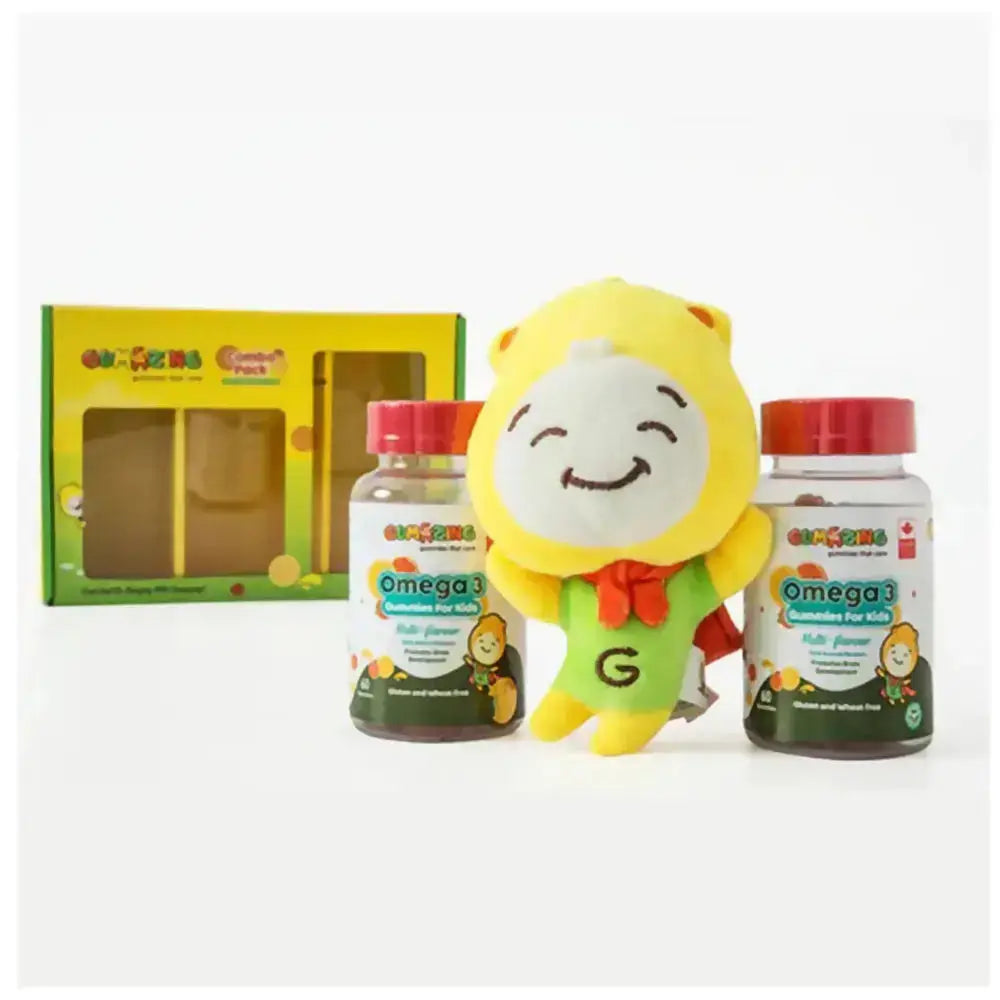
Why Are Parents Interested in Omega-3 Supplements?
Omega-3 fatty acids are among the most discussed nutrients in children's nutrition today. They are naturally found in foods such as:
Salmon
Sardines
Mackerel
Tuna
Flaxseeds
Chia seeds
Walnuts
These healthy fats play important roles throughout the body. Since many children do not eat fish regularly, parents often explore supplements as a way to support nutritional intake.
For families seeking a convenient option, products like best omega 3 gummies for kids have become increasingly popular because they are easy to take and often fit naturally into a child's daily routine.
What Exactly Are Omega-3 Fatty Acids?
Before comparing products, it helps to understand the basics.
Omega-3 is not a single nutrient. It is a family of fatty acids that includes:
DHA (Docosahexaenoic Acid)
DHA is a major structural component found in the brain and retina. It is one of the most frequently discussed omega-3 fats in children's nutrition.
EPA (Eicosapentaenoic Acid)
EPA is another omega-3 fatty acid commonly found in marine sources.
ALA (Alpha-Linolenic Acid)
ALA comes primarily from plant sources. The body can convert some ALA into DHA and EPA, though the conversion rate is generally limited.
When reading labels, understanding which omega-3s are included can help you make more sense of product claims.
Read More - Multivitamin Gummies for Kids' Health & Growth
Why Reading Labels Can Feel So Confusing
Many supplement packages contain a lot of information packed into a small space.
You might see terms such as:
Fish oil
DHA
EPA
Omega blend
Marine oil
Essential fatty acids
Children's wellness formula
Without context, these phrases can make products appear more different than they actually are.
The key is focusing on the information that matters most rather than getting distracted by marketing language.
What Should Parents Look for First?
When evaluating omega-3 gummies, start with the essentials.
1. Check the Source of Omega-3
Look at where the omega-3s come from.
Common sources include:
Fish oil
Algal oil
Marine oil blends
Knowing the source helps you better understand what type of omega-3s the product contains.
2. Review the DHA and EPA Content
Instead of looking only at the total omega-3 amount, pay attention to how much DHA and EPA are provided per serving.
These values often provide a clearer picture of what you're actually getting.
3. Verify Age Appropriateness
Children have different nutritional requirements than adults.
Always choose products specifically designed for children and follow the manufacturer's recommended serving sizes.
4. Examine the Ingredient List
A shorter, transparent ingredient list is often easier to evaluate.
Look for:
Clearly listed active ingredients
Age recommendations
Serving instructions
Storage guidance
Common Label Terms Parents Often Misunderstand
"Natural Flavors"
This term refers to flavoring ingredients used to improve taste. It does not necessarily indicate nutritional quality.
"Supports Brain Health"
Many supplements reference nutrients involved in brain development. However, parents should remember that supplements support nutrition and are not intended to replace healthy lifestyle habits.
"High Potency"
This phrase can mean different things across products. Always check the actual nutrient amounts instead of relying on descriptive language.
"Daily Wellness"
This is a broad term that may refer to overall nutritional support rather than a specific health benefit.
Read More - Sản phẩm
Why Taste Matters More Than You Think
One practical lesson many parents learn through experience is that even the most carefully selected supplement won't help if their child refuses to take it.
Consistency matters.
Children are more likely to maintain a routine when supplements are:
Pleasant tasting
Easy to chew
Convenient to take
Integrated into a predictable daily schedule
This is one reason gummies continue to be a popular choice among families.
Understanding the Bigger Picture of Children's Nutrition
Omega-3 supplements should never be viewed in isolation.
A child's overall nutrition pattern matters much more than any single supplement.
Children benefit most from:
Balanced meals
Fruits and vegetables
Whole grains
Adequate protein
Healthy fats
Physical activity
Quality sleep
Supplements are best viewed as additions to healthy habits rather than substitutes for them.
The Connection Between Omega-3s and Eye Health
Parents often learn that omega-3 discussions frequently overlap with eye health conversations.
This is because DHA is naturally present in the retina.
As a result, some families choose to support both nutritional areas through a broader wellness approach that includes foods rich in omega-3s and nutrients such as lutein.
Products containing nutrients for visual wellness, including eye care gummies, are often considered alongside omega-3 supplementation when parents are evaluating their child's overall nutrition strategy.
How Picky Eating Can Influence Supplement Choices
Many parents of picky eaters know how challenging it can be to provide a consistently varied diet.
Some children:
Refuse fish entirely
Avoid vegetables
Reject unfamiliar foods
Prefer repetitive meal choices
These eating patterns may encourage parents to look for nutritional support options that can help complement dietary intake.
However, supplements should always work alongside efforts to gradually expand food variety whenever possible.
What Role Does Overall Wellness Play?
Omega-3s are often discussed alongside broader wellness goals.
Parents who focus on balanced nutrition frequently consider multiple aspects of their child's health, including:
Brain development
Eye health
Immune support
Hydration habits
Physical activity
Sleep quality
This holistic perspective can help prevent overemphasis on any single nutrient.
For example, some families explore products associated with overall wellness categories such as gumazing multivitamin options that aim to complement everyday nutrition.
How Can Parents Compare Similar Products?
When two omega-3 products appear similar, use this simple checklist.
Compare:
- DHA amount
- EPA amount
- Serving size
- Age recommendations
- Ingredient transparency
- Taste preferences
- Ease of daily use
- Manufacturing quality information
Avoid making decisions based solely on packaging claims.
Instead, focus on measurable information that helps you understand exactly what the product provides.
Why Hydration Shouldn't Be Overlooked
When discussing wellness supplements, hydration is often forgotten.
Yet hydration plays an important role in a child's overall daily well-being.
Parents sometimes focus heavily on vitamins and supplements while overlooking simple habits such as:
Drinking enough water
Maintaining balanced meals
Staying physically active
Following consistent sleep schedules
Many families interested in comprehensive wellness routines also explore resources related to gumazing hydration as part of a broader healthy lifestyle approach.
Good nutrition works best when supported by healthy daily habits.
Questions Parents Should Ask Before Buying Omega-3 Gummies
Before making a purchase, consider these questions:
Does My Child Regularly Eat Fish?
If fish consumption is already consistent, supplementation needs may differ.
Is My Child a Picky Eater?
Selective eating patterns can influence nutritional intake.
Can My Child Maintain a Daily Routine?
Consistency matters more than occasional use.
Are the Ingredients Clearly Listed?
Transparency is often a good sign of product quality.
Is the Product Designed Specifically for Children?
Age-appropriate formulations are important.
Have I Discussed Supplements With a Healthcare Professional?
Professional guidance is always valuable when making nutrition decisions for children.
How Vitamin C Fits Into a Child's Nutrition Plan
Omega-3s are only one piece of the nutrition puzzle.
Many parents also focus on immune-supporting nutrients found in fruits and vegetables.
Vitamin C is one of the most recognized nutrients in children's wellness discussions because it contributes to normal immune function and overall health.
Children can obtain vitamin C from foods such as:
Oranges
Strawberries
Kiwi
Bell peppers
Broccoli
For families seeking additional nutritional support, products containing vitamin c for kids may be considered alongside broader healthy eating habits.
Again, food remains the foundation of a balanced diet.
Signs of a Parent-Friendly Supplement Label
A helpful label usually includes:
Clear serving sizes
Transparent ingredient lists
Age recommendations
Storage instructions
Nutrient amounts per serving
Easy-to-understand language
When labels prioritize clarity, parents can make decisions with greater confidence.
Is It Safe?
Most children's omega-3 supplements are generally considered safe when used according to the manufacturer's instructions.
Parents should:
Follow serving recommendations
Store supplements safely
Avoid exceeding suggested amounts
Discuss concerns with a healthcare professional
Check ingredient lists for allergies or sensitivities
Remember that supplements are intended to complement healthy nutrition, not replace it.
If your child has a medical condition or takes medications, professional guidance is especially important before introducing any new supplement.
Real-Life Approach: Focus on Progress, Not Perfection
One of the biggest mistakes parents make is feeling pressure to create a perfect nutrition plan.
The reality is that healthy childhood nutrition is built through consistent habits over time.
That may include:
Encouraging balanced meals
Offering a variety of foods
Supporting hydration
Prioritizing sleep
Promoting outdoor play
Using supplements appropriately when needed
Small, sustainable improvements often have a greater long-term impact than chasing perfection.
Conclusion
Choosing the best omega 3 gummies for kids doesn't have to be complicated. While supplement labels can initially seem confusing, focusing on key details such as DHA content, EPA content, ingredient transparency, serving sizes, and age recommendations can help you make a more confident decision.
The most important thing to remember is that omega-3 supplements work best as part of a broader approach to wellness. Balanced nutrition, healthy hydration habits, adequate sleep, regular physical activity, and a varied diet remain the foundation of children's health.
When you look beyond marketing language and focus on meaningful information, choosing an omega-3 gummy becomes much simpler. By understanding what matters most on the label, you can select an option that aligns with your child's needs and supports a practical, sustainable daily routine.
Frequently Asked Questions
What should parents check first on an omega-3 gummy label?
Start by reviewing the DHA and EPA amounts, ingredient list, serving size, and age recommendations.
Are omega-3 gummies better than fish?
Fish provides many valuable nutrients and remains an excellent dietary source of omega-3s. Gummies may be useful when dietary intake is inconsistent.
Can picky eaters benefit from omega-3 gummies?
Some parents consider omega-3 supplements when children avoid foods naturally rich in omega-3 fatty acids.
Should children take omega-3 gummies every day?
Follow the manufacturer's instructions and discuss long-term supplementation with a healthcare professional if needed.
Can omega-3 gummies replace healthy eating?
No. Supplements are intended to complement healthy nutrition, not replace balanced meals.
Are omega-3 gummies suitable for school-age children?
Many products are specifically designed for school-age children, but parents should always check age recommendations.
Why do parents often compare omega-3 supplements with other wellness products?
Families frequently evaluate overall nutrition strategies that may include omega-3s, multivitamins, vitamin C products, hydration support, and eye-focused nutritional options.


Comments
Post a Comment