What Should Parents Look for When Buying Omega 3 Gummies for Kids?
As a parent, you want to make choices that support your child's growth, learning, and overall well-being. That's one reason many families start researching omega 3 gummies for kids. Omega-3 fatty acids have become one of the most talked-about nutrients for children, but with so many products on the market, it's easy to feel overwhelmed by marketing claims, flashy packaging, and promises that sound too good to be true.
The good news is that choosing an omega-3 supplement doesn't have to be complicated. When you understand what ingredients matter, how quality is measured, and what makes a product suitable for children, you can make a confident decision based on facts rather than advertising.
In this guide, you'll learn exactly what to look for when buying omega-3 gummies, how to evaluate labels, and why taking a balanced approach to nutrition matters more than chasing the latest health trend.
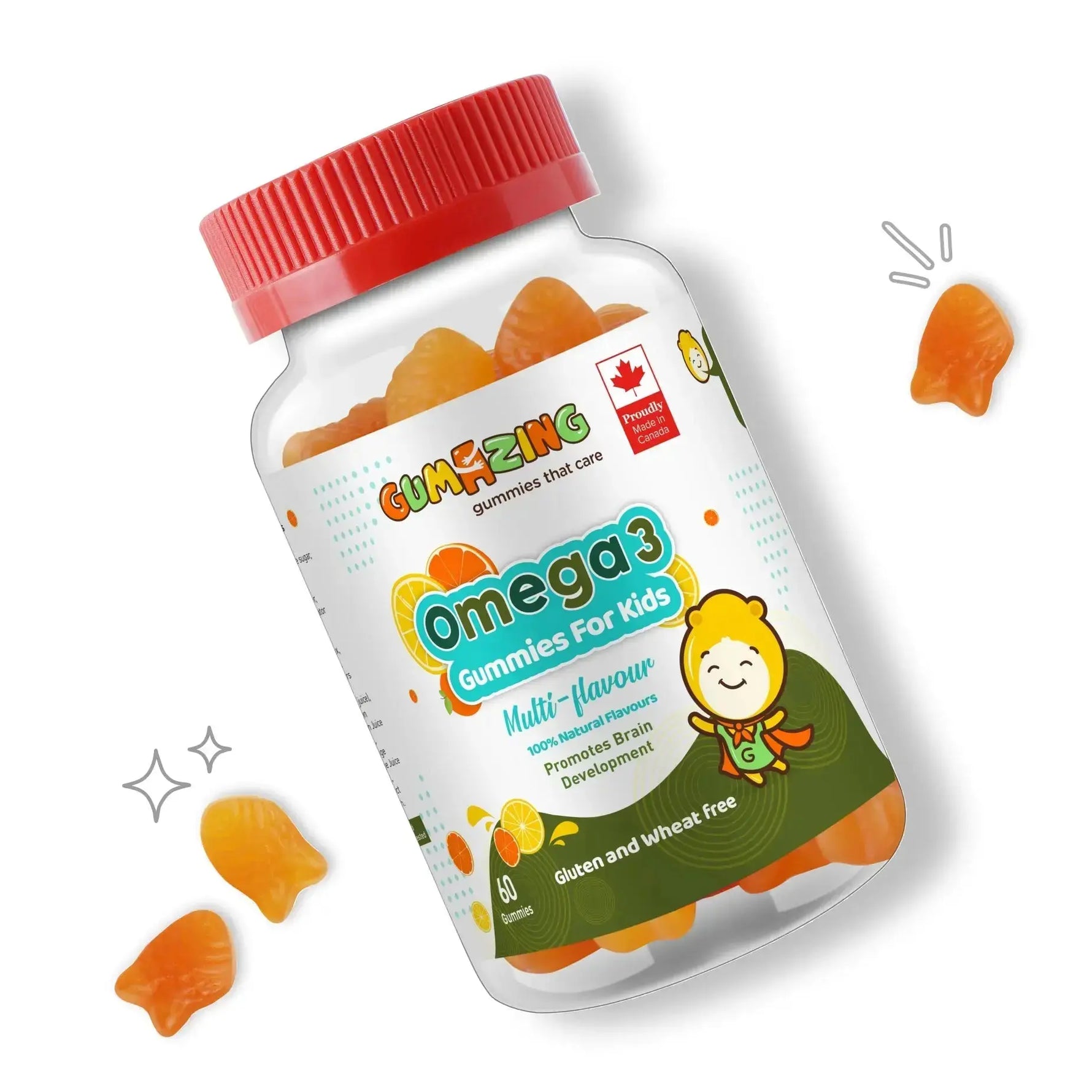
Why Omega-3 Matters for Growing Children
Omega-3 fatty acids are essential fats that the body cannot produce efficiently on its own. This means children need to obtain them through food or supplementation.
The most commonly discussed omega-3 fatty acids include:
DHA (Docosahexaenoic Acid)
EPA (Eicosapentaenoic Acid)
ALA (Alpha-Linolenic Acid)
Among these, DHA receives significant attention because it is a major structural component of the brain and eyes.
Many parents explore omega-3 supplements because fish-rich diets aren't always realistic. If your child refuses seafood or has a limited diet, you may be looking for convenient alternatives that fit into your daily routine.
Why Gummies Have Become So Popular
Let's be honest. Getting children to take supplements can sometimes feel like a daily negotiation.
Gummies offer several advantages:
Easy to chew
Pleasant taste
Kid-friendly format
Convenient for busy families
Encourages consistency
Because children often enjoy gummies, parents may find it easier to establish a routine that actually sticks.
However, convenience should never be the only factor guiding your purchase.
Read More - Gumazing Calcium & Vitamin D3 Gummies
Start by Looking at the Omega-3 Source
One of the first things you should examine is where the omega-3 comes from.
Common sources include:
Fish Oil
Fish oil remains one of the most widely used sources of DHA and EPA.
Benefits include:
Naturally rich in omega-3 fatty acids
Well-researched source
Frequently used in children's supplements
Algal Oil
Algae-derived omega-3 is a plant-based option that may be suitable for some families.
Benefits include:
Vegetarian-friendly
Source of DHA
Sustainable sourcing potential
The source itself is less important than the quality, purity, and transparency behind the product.
Check the DHA and EPA Content
Many parents focus on the words "omega-3" without checking the actual amount provided.
Not all products contain the same levels of DHA and EPA.
When reading the label, ask:
How much DHA is included?
How much EPA is included?
Is the amount clearly stated?
A transparent supplement should provide these details clearly rather than hiding them behind vague proprietary blends.
Read Beyond the Front Label
Supplement packaging is designed to grab attention.
You may see phrases like:
Brain support
Learning support
Premium formula
Advanced nutrition
Expert formulated
These statements may sound impressive, but the Supplement Facts panel tells you much more than the front of the package.
Always take a few minutes to review:
Active ingredients
Serving size
Recommended age
Sugar content
Allergen information
The back label is often where the real story lives.
Quality Matters More Than Marketing
Parents often assume that a higher price automatically means better quality.
That's not always true.
Instead, look for brands that provide information about:
Ingredient sourcing
Manufacturing standards
Quality testing
Product transparency
Companies that openly share these details often make it easier for parents to understand exactly what they're purchasing.
For example, many families researching children's nutrition products become familiar with options such as gumazing multivitamin products because they are specifically designed with children's nutritional needs in mind.
Pay Attention to Added Sugar
Because gummies need to taste appealing, most contain some form of sweetener.
When comparing products, consider:
Total sugar per serving
Types of sweeteners used
Overall ingredient profile
A gummy shouldn't feel more like candy than a supplement.
The goal is finding a balance between taste and nutritional quality.
Consider Your Child's Dietary Habits
Every child is different.
Some children eat a wide variety of foods.
Others survive on what seems like three favorite meals and a handful of snacks.
If your child is a picky eater, you may be looking for ways to help support nutritional intake while continuing to encourage balanced eating habits.
Supplements can play a supportive role, but they should never replace:
Fruits
Vegetables
Protein-rich foods
Whole grains
Healthy fats
Think of supplements as part of a larger nutrition strategy rather than a complete solution.
Don't Ignore the Rest of Your Child's Wellness Routine
Parents sometimes focus heavily on one nutrient while overlooking other areas of health.
A healthy child benefits from:
Quality Sleep
Consistent sleep supports growth, learning, and daily wellness.
Physical Activity
Regular movement encourages healthy development.
Hydration
Water plays an important role in everyday health.
Some families also explore wellness products related to gumazing hydration support as part of their broader approach to helping children maintain healthy habits.
Balanced Nutrition
No supplement can fully compensate for poor eating habits.
Daily nutrition still forms the foundation of children's health.
How Omega-3 Fits Into a Bigger Wellness Picture
One common mistake parents make is viewing omega-3 as a magic ingredient.
In reality, children's wellness involves multiple nutritional factors working together.
Parents may also explore:
Multivitamins
Vitamin D
Eye health nutrients
Immune support
Hydration support
A balanced approach tends to be more sustainable than focusing on a single nutrient.
Eye Health and Omega-3: Why Parents Ask About the Connection
Because DHA is naturally present in the retina, many parents become interested in eye health alongside omega-3 supplementation.
Screen time has become a normal part of childhood through:
Schoolwork
Educational apps
Entertainment
Digital communication
As a result, some families explore nutritional options such as gummies for eyesight for kids while also supporting healthy screen habits and regular eye examinations.
It's another example of how overall wellness often involves several interconnected factors.
Understanding Age-Appropriate Formulations
Children have different nutritional needs than adults.
A product designed for adults may not be suitable for a young child.
Always check:
Recommended age range
Serving size
Safety information
Usage directions
Products specifically formulated for children are generally designed with these needs in mind.
Questions Parents Commonly Ask About Vitamin D
When researching children's nutrition, many parents look beyond omega-3 and begin exploring other nutrients.
A common question is can i add vitamin d drops to formula milk.
Questions like this highlight an important point: nutrition decisions are often interconnected. Parents rarely look at one nutrient in isolation. Instead, they consider how different products fit into their child's overall routine.
Whenever you're combining supplements or making changes to your child's nutrition plan, it's wise to follow product instructions and seek professional guidance if needed.
Signs of a Trustworthy Omega-3 Gummy
A quality omega-3 gummy often includes:
Clearly listed DHA and EPA amounts
Transparent ingredient labeling
Child-friendly serving sizes
Appropriate age recommendations
Reasonable sugar levels
Quality manufacturing practices
Trustworthy brands generally focus on educating parents rather than relying solely on bold marketing claims.
Common Mistakes Parents Make
Choosing Based on Flavor Alone
Taste matters, but ingredient quality matters more.
Ignoring Serving Size
Some products require multiple gummies to reach the advertised nutrient amount.
Focusing Only on Marketing Claims
The supplement facts panel provides far more useful information.
Assuming More Is Better
Higher nutrient levels don't automatically mean better outcomes.
Forgetting the Big Picture
Nutrition works best when combined with healthy habits.
Practical Tips for Comparing Products
When shopping, create a simple checklist:
- DHA amount clearly listed
- EPA amount clearly listed
- Age-appropriate formula
- Transparent ingredient list
- Reasonable sugar content
- Trusted manufacturing standards
- Easy-to-follow directions
- Child-friendly format
This approach can make comparisons much easier.
What Real Parents Often Prioritize
Parents who consistently feel satisfied with their supplement choices often focus on:
Simplicity
Transparency
Safety
Convenience
Consistency
Instead of chasing trends, they choose products that fit naturally into daily life and support broader wellness goals.
Read More - Understanding Different Calcium Supplement Options for Kids
Is It Safe?
When used according to label directions, omega-3 gummies formulated specifically for children are generally designed with safety in mind.
Before introducing any supplement:
Read the ingredient list carefully.
Follow age recommendations.
Consider food allergies or sensitivities.
Store supplements safely away from children.
Speak with your pediatrician if you have concerns.
Remember that every child has unique nutritional needs, so individualized guidance can be valuable.
Conclusion
Choosing omega 3 gummies for kids doesn't require becoming a nutrition expert. The most important step is learning how to separate meaningful information from marketing claims.
Focus on ingredient transparency, DHA and EPA content, manufacturing quality, age-appropriate formulations, and overall nutritional balance. When you evaluate products through this lens, you'll be better equipped to make decisions that align with your child's needs.
Most importantly, remember that supplements work best as part of a bigger picture that includes healthy meals, hydration, physical activity, sleep, and positive daily habits. Omega-3 can be a valuable addition to that routine, but it works best alongside a well-rounded approach to wellness.
Frequently Asked Questions
What are omega-3 gummies for kids?
They are chewable supplements designed to provide omega-3 fatty acids in a child-friendly format.
What should I check first when buying omega-3 gummies?
Look at the DHA and EPA content, ingredient transparency, serving size, and age recommendations.
Are omega-3 gummies better than liquid supplements?
Neither option is automatically better. The best choice depends on your child's preferences and ability to take supplements consistently.
Can picky eaters benefit from omega-3 gummies?
Many parents explore omega-3 supplementation when children have limited diets, though supplements should complement healthy eating habits.
Do omega-3 gummies replace healthy food?
No. They are intended to supplement a balanced diet, not replace nutritious meals.
How do I know if a supplement is high quality?
Look for transparent labeling, quality manufacturing standards, clearly listed ingredients, and child-specific formulations.


Comments
Post a Comment